
 Italiano
 English
 Deutsch
 Français

Towns and Villages
of Elba Island — seven towns, from the Medici port to the mountains
Portoferraio, Capoliveri, Porto Azzurro, Rio, Campo nell’Elba, Marciana and Marciana Marina: seven municipalities with different histories, coasts and landscapes across 223 km².
Seven municipalities,
one island to discover
Elba Island is administratively divided into seven municipalities, each with a deeply different history, identity and landscape. Together they form one of the richest and most varied islands in the Mediterranean, all in the Province of Livorno.
From the main town Portoferraio — with its 1548 Medici fortresses and Napoleon's residence — to the upland medieval villages of Marciana; from the blue flag beaches of Campo nell'Elba to the eastern coves, from Capoliveri's tower to the ancient mines of Rio: each municipality deserves at least a dedicated day of exploration.
Click a municipality to explore it · Schematic map not to scale
Portoferraio
Portoferraio is the beating heart of Elba Island and the arrival point for the vast majority of ferries. Its port is protected by the imposing Medici Fortresses commissioned by Grand Duke Cosimo I de' Medici who, in April 1548, started the construction of a defensive system to protect the town — then called Cosmopoli in his honour — from continuous pirate attacks. Forte Falcone, Forte Stella and the Linguella Tower successfully resisted the 1553 siege by the corsair Dragut.
The city owes much of its global fame to the stay of Napoleon Bonaparte, who reigned here from May 4, 1814 to February 26, 1815 — the longest ten months the emperor spent continuously in any single European residence. His town house, the Palazzina dei Mulini (built around 1724 by order of Gian Gastone de' Medici), is today part of the National Museum of Napoleonic Residences.
Campo nell'Elba
The municipality of Campo nell'Elba, the largest on the island at ~55.60 km², includes some of the most beloved beaches in the Mediterranean: Fetovaia, with its white sand peninsula and emerald sea; Cavoli, with its shallow seabed and transparent water; and the long fine sand stretch of Marina di Campo, ideal for families with children.
The territory hosts the Elba "Teseo Tesei" airport in La Pila (IATA EBA, ICAO LIRJ), which in summer offers connections to Florence, Pisa, Milan and — new for 2026 — Rome Fiumicino. Pomonte and Sant'Ilario in Campo, hillside hamlets, and the famous Elviscot underwater wreck (1972) at 12 metres depth, are also part of the municipal territory.
Capoliveri
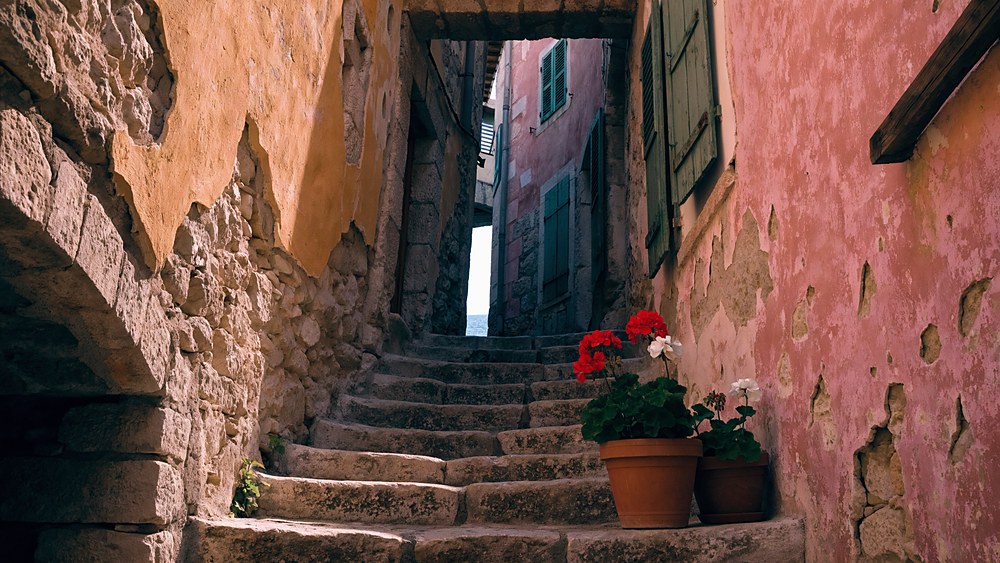
Capoliveri is the most scenic medieval village on Elba, perched at 167 metres on Monte Calamita. The historic centre, with its narrow alleys and stone arches, is the perfect stage in the evening, when it comes alive with taverns and artisan workshops. It is the capital of the Aleatico DOCG wine of Elba, a historic passito produced from vineyards terraced along the south-east coast.
The territory includes the Costa dei Gabbiani and the Ginevro mines with their visitable underground gallery. Capoliveri is also one of the capitals of Italian MTB: it hosts every year the Capoliveri Legend Cup, a historic stage of the national championship, and a trail network of over 100 km crossing Monte Calamita and Monte Tambone.
Marciana
Marciana is the highest and wildest municipality on Elba, dominated by Monte Capanne which at 1,017 metres is the highest peak of the Tuscan Archipelago. The panoramic cable car departs from Marciana Paese and in a few minutes reaches a natural balcony from which, on clear days, you can see Corsica, Capraia, Pianosa, Montecristo, Giglio and the Tuscan coast.
The medieval historic centre preserves the Pisan Fortress that dominates it, stone alleys and the precious Archaeological Museum with finds from prehistory to Roman times. A few minutes away you reach the Sanctuary of Madonna del Monte (12th century), among the oldest and most venerated on the island, set among chestnut woods.
Marciana Marina
Marciana Marina is Elba's smallest municipality with just 5.76 km² of surface area — one of the smallest in all of Italy. The village develops along a nineteenth-century seafront, with pastel-painted fishermen's houses and the characteristic Pisan watch Tower dominating the bay.
Origins are deeply linked to the sea: fishermen, sailors and traders who called here in the centuries of Pisan and then Spanish rule. Today it is one of the most loved destinations for evening life and fish restaurants in the area of Cotone, the old maritime quarter with its iron railings and stone facades.
"A village that looks at itself from the sea and tells its story through its railings."
Porto Azzurro
Porto Azzurro owes its identity to seventeenth-century Spanish rule. On May 8, 1603 the viceroy of Naples Giovanni Alfonso Pimentel de Herrera, count of Benavente, landed here to found Forte San Giacomo (also known as Forte Longone or Forte Beneventano), completed in just two years in 1605 to protect the Spanish State of Presidi.
In 1678 Forte Focardo was built on the opposite side of the Gulf of Mola to close the entrance of the bay. The town was called Porto Longone until 1947, when it took its current name to distance itself from the legacy of the prison housed in the fort. Today it is one of the liveliest destinations on the east coast, with Piazzetta Matteotti and the restaurants on the harbour.
Rio
The municipality of Rio was established on January 1, 2018 from the merger of the former municipalities of Rio Marina and Rio nell'Elba (Tuscan Regional Law 65/2017). It is the eastern slope of the island, where hills rich in pyrite and hematite tinge the soil red and tell over 2,500 years of uninterrupted iron extraction, from the Etruscans to modern industry.
The Mineral Park of Elba Island, established in 1991, preserves this heritage with the Mineral Museum, reconstructed mine environments, excursions in the open-air quarries of Rio Marina and Rio Albano, and the famous little train for children. Monte Rio is the most characteristic point, with its terraces red from iron dust visible from the sea.
Compare the seven municipalities at a glance
A summary table to choose the ideal municipality for your stay based on character, size and type of experience.
| Municipality | Inhabitants | Surface | Character | Perfect for |
|---|---|---|---|---|
| Portoferraio | 11.748 | 46 km² | Historic | Culture, museums, arrival |
| Campo nell'Elba | 4.657 | 55,60 km² | Beach | Beaches, families, airport |
| Capoliveri | 4.000 | 39,56 km² | Medieval | Village, wine, MTB |
| Marciana | 2.300 | 45,45 km² | Mountain | Trekking, panoramas |
| Marciana Marina | 1.977 | 5,76 km² | Maritime | Evening life, restaurants |
| Porto Azzurro | 3.751 | 13 km² | Spanish | Nightlife, marina |
| Rio | 3.405 | 33 km² | Mining | Geology, authenticity |
Frequently asked questions about the municipalities of Elba
Have you chosen the right municipality?
Now discover the rest of the island
Elba Island, with a surface of 223.50 km², is divided into seven towns: Portoferraio, Capoliveri, Campo nell’Elba, Porto Azzurro, Marciana, Marciana Marina, and Rio. Each village tells a unique story, like Portoferraio, the cultural and historical hub, or Rio, known for its mining heritage. Local traditions, dialects, and cuisine vary widely, reflecting the island’s diversity. The largest beach is in Marina di Campo, while Pianosa Island belongs to the municipality of Campo nell’Elba. Historically, Napoleon was the first to unite Elba’s towns under a single banner. Explore Elba’s towns and immerse yourself in their authentic and captivating charm.